Shinkolobwe: Between Power and Memory
(日本語訳)
#Collaboration #Exhibition
Sixte Kakinda (DRC)
Roger Peet (USA)
Toshi Moshi/Toshie Takeuchi (JP/DK)
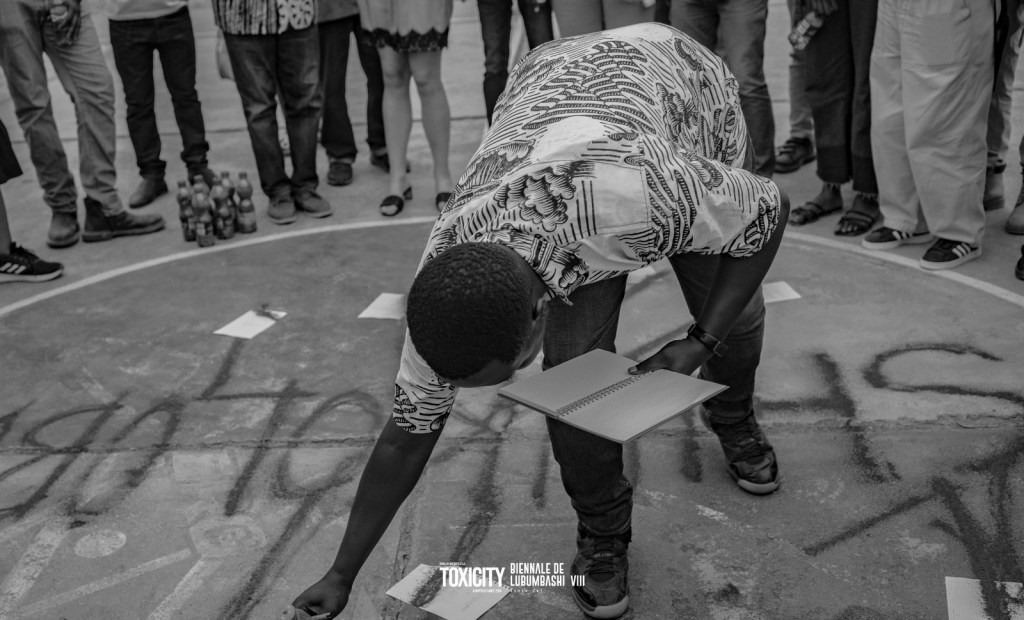
‘Shinkolobwe: Between Power and Memory’ is an artistic conversation between 3 artists from Congo,Japan, and the USA about DR Congo’s Shinkolobwe mine, source of the uranium used to develop the first atomic bombs. The collaboration between the 3 artists began initially in preparation for an exhibition for The 8th Lubumbashi Biennial, organized by Picha Art Center in DR Congo in October 2024.
The Shinkolobwe mine contained the most powerful uranium ore ever found on earth, and its astonishing power enabled the US Army to design, develop and detonate the bomb in just 3 short years, and then to build thousands more. The Shinkolobwe mine was kept secret, and its name was stricken from both history and from maps. The legacy of this erasure includes the missing history of the Congolese workers who dug the uranium ore, and the way in which the West’s greed to keep Congolese minerals for themselves that led to the most profound interventions in Congolese sovereignty- a tradition which continues to the present day. The artists of this project explore the erased stories and memories of the Shinkolobwe mine from political, cultural and ecological perspectives. The project reexamines the colonial, imperial, and nuclear history of the western allies as well as of Japan, in order to reflect on how these histories have influenced our understanding of the notion of history, land, and power.
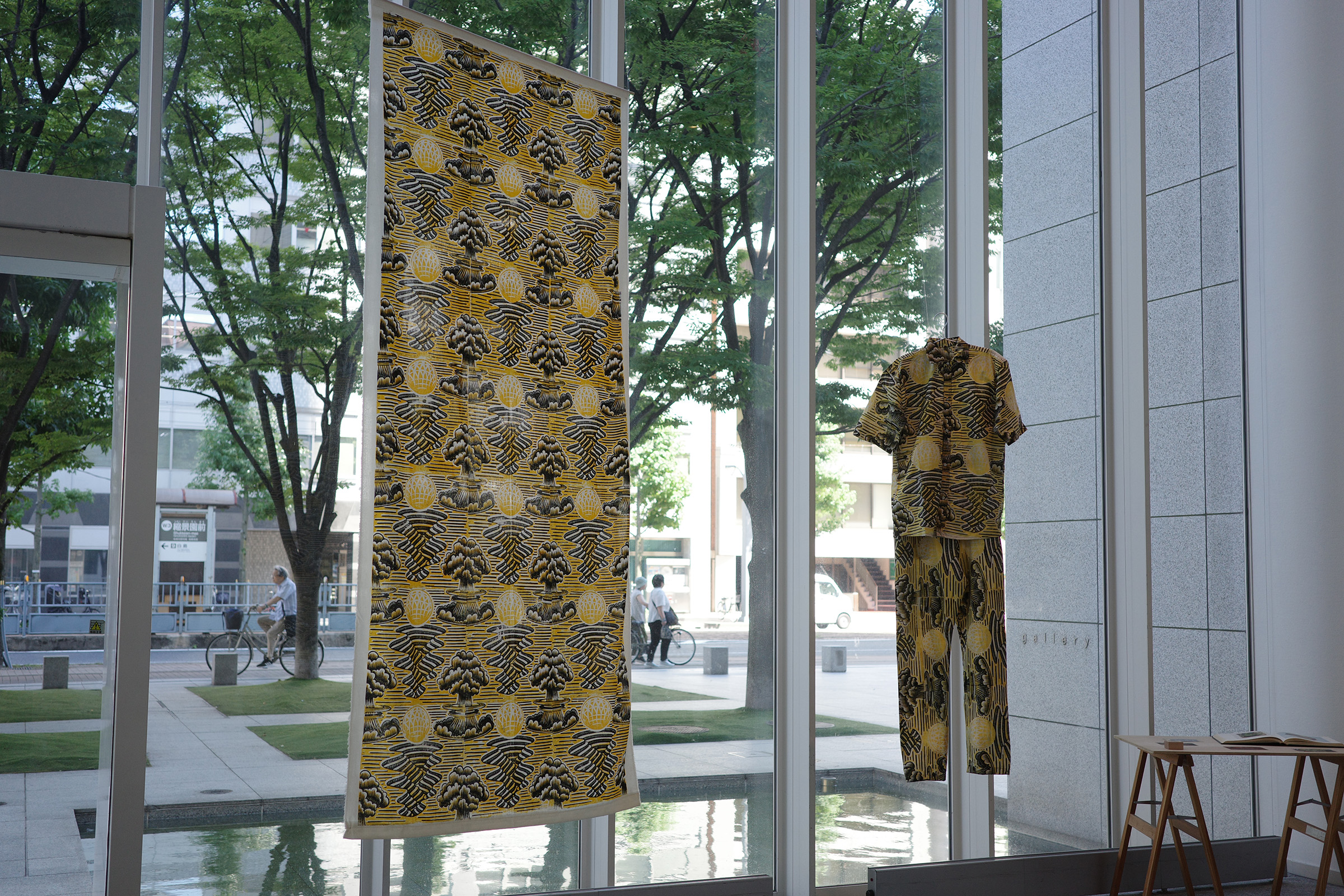
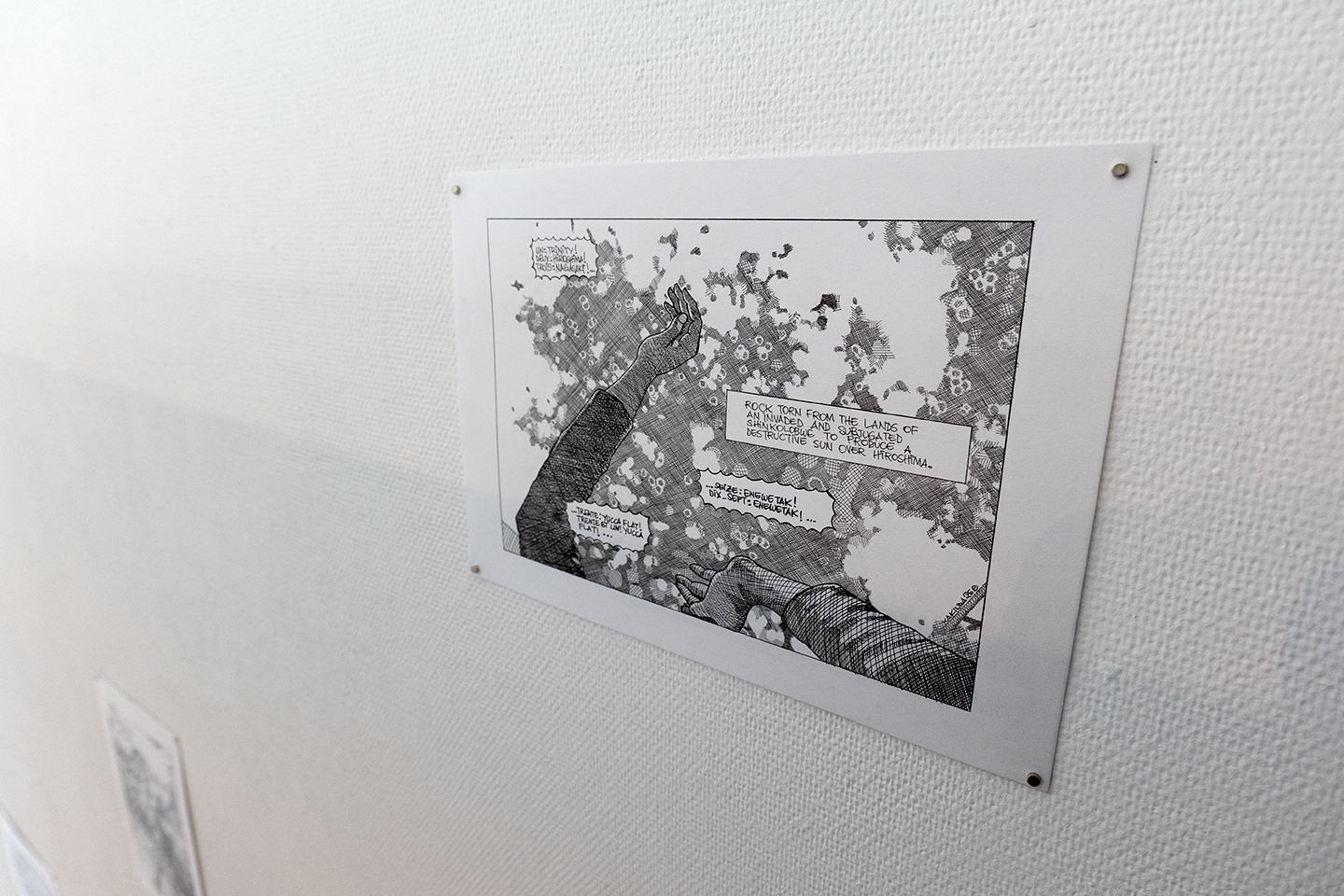
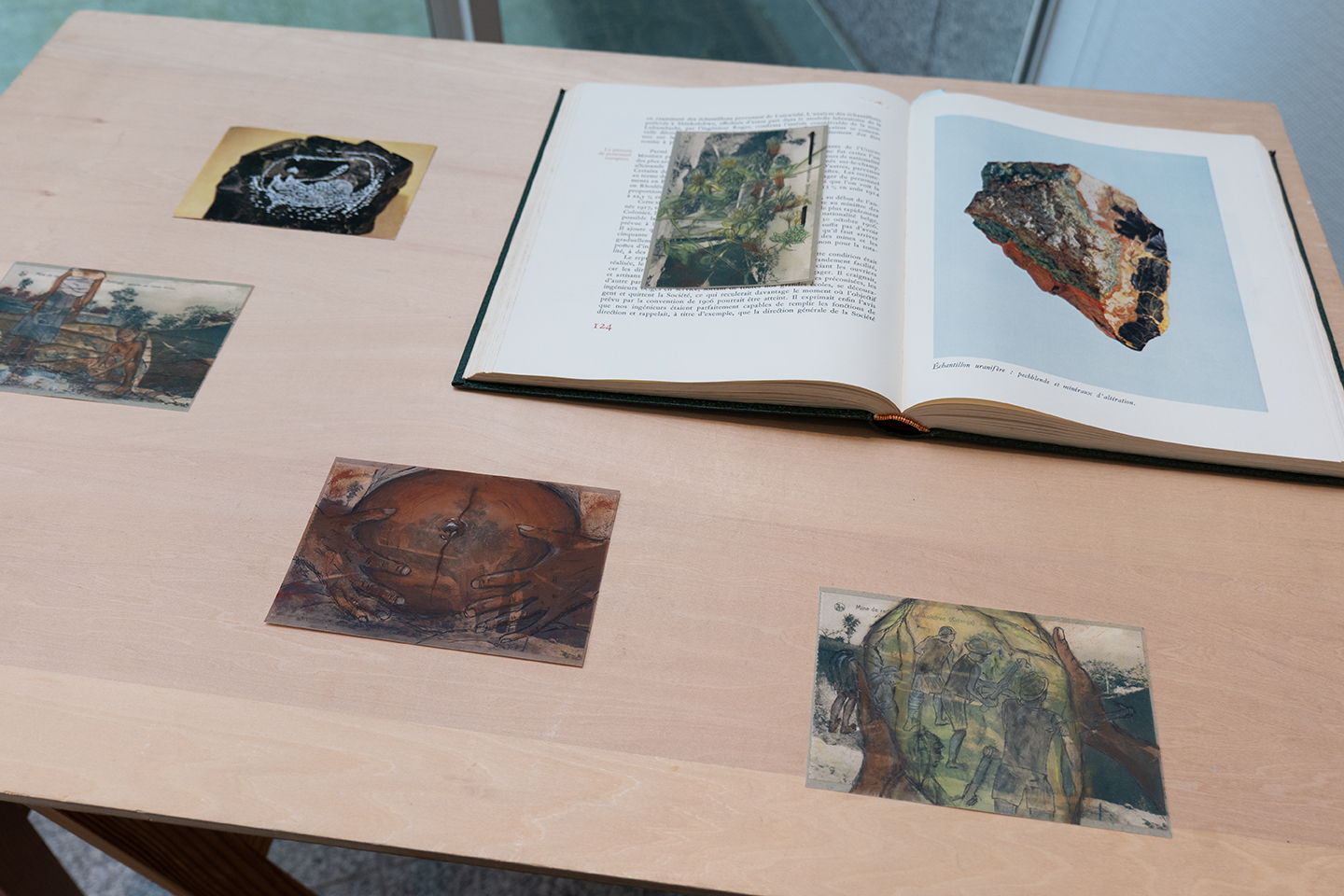
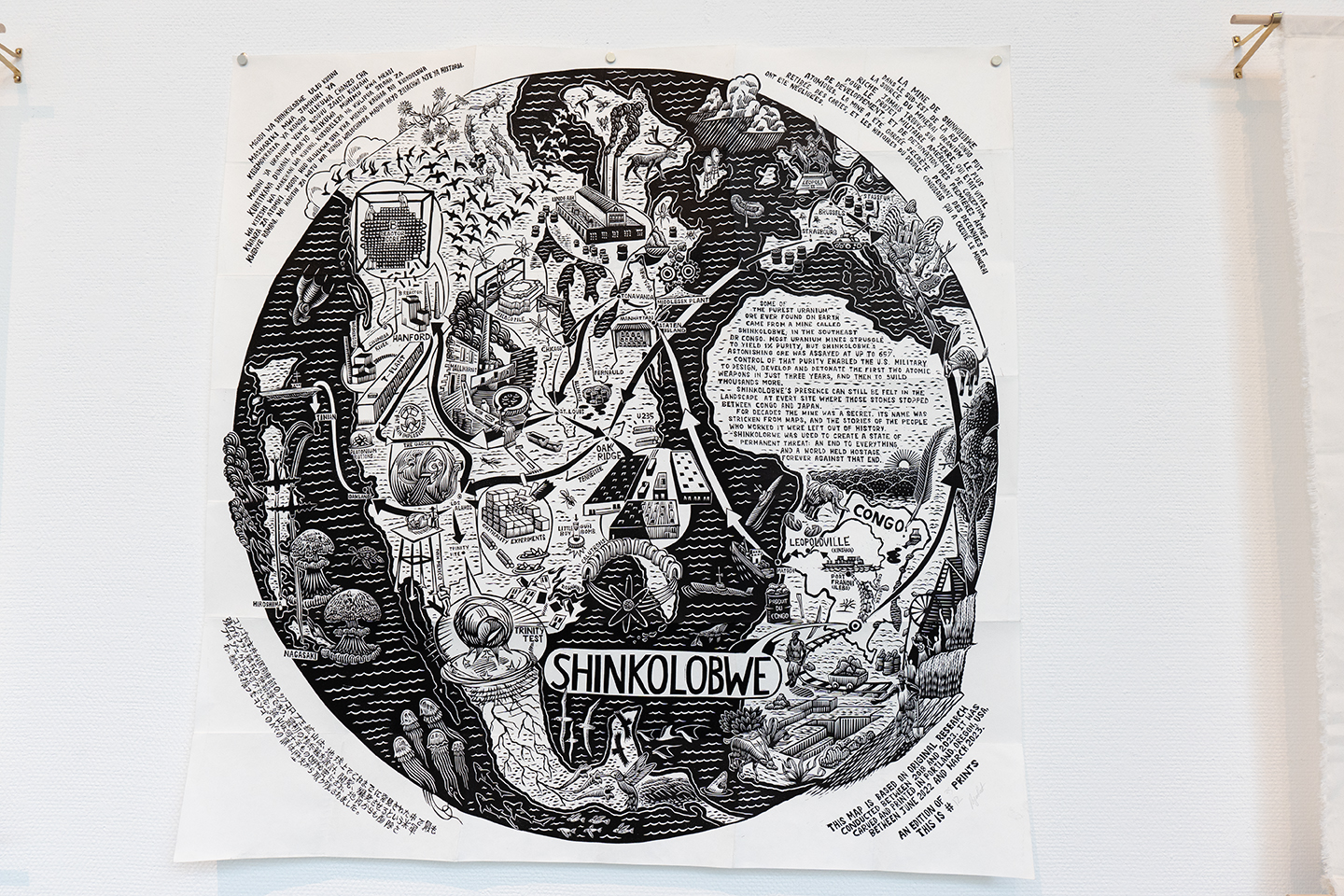
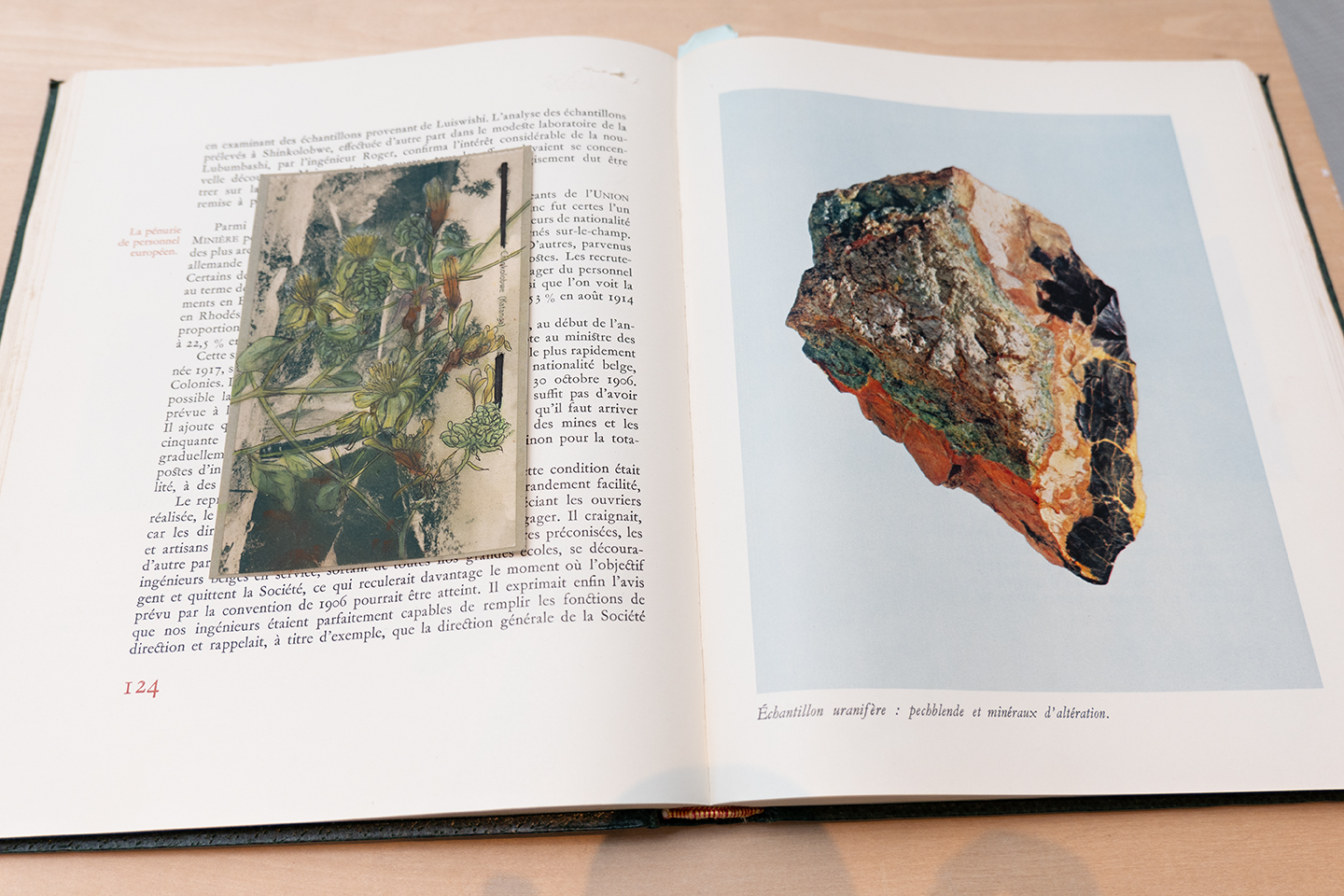
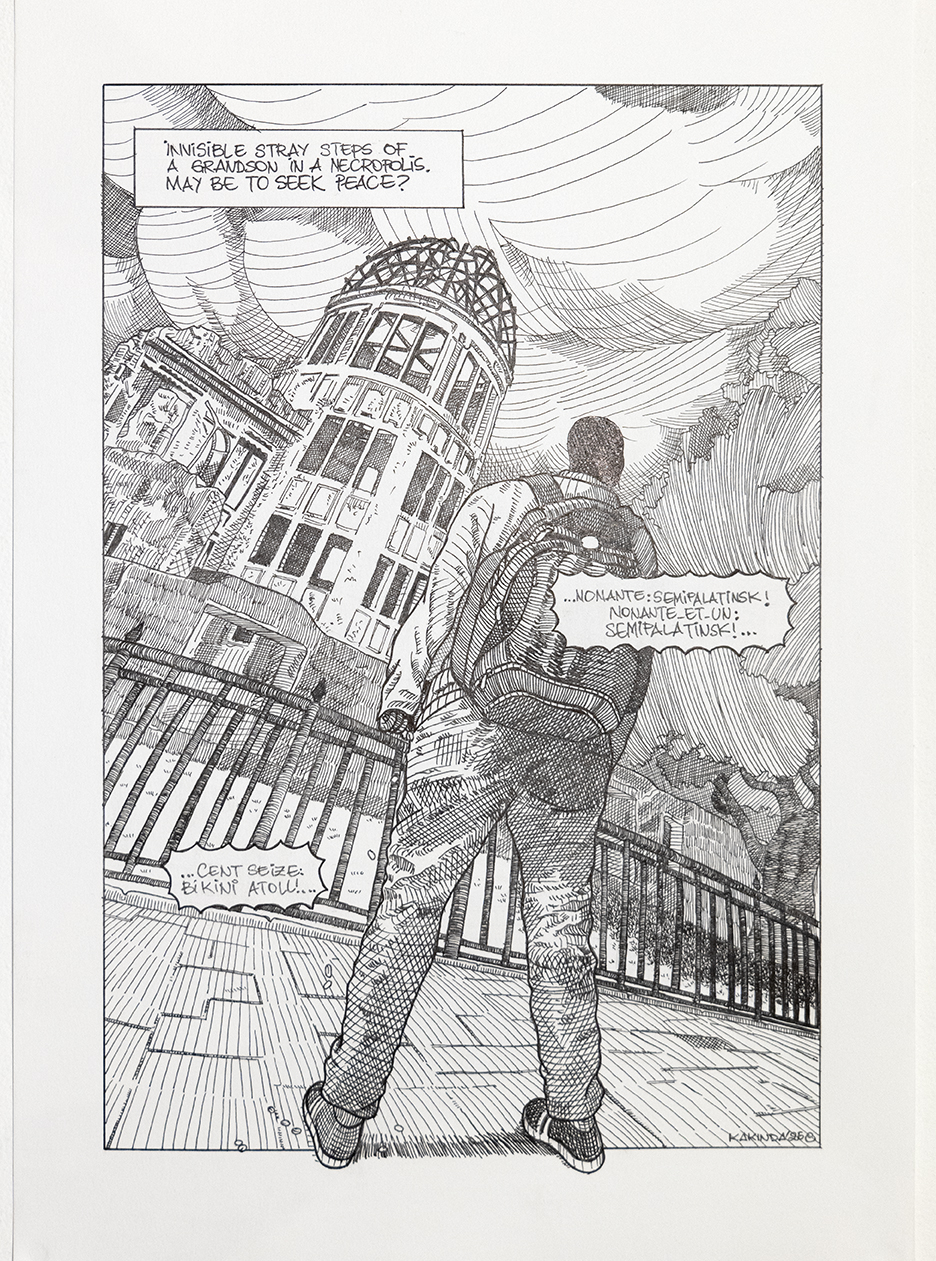
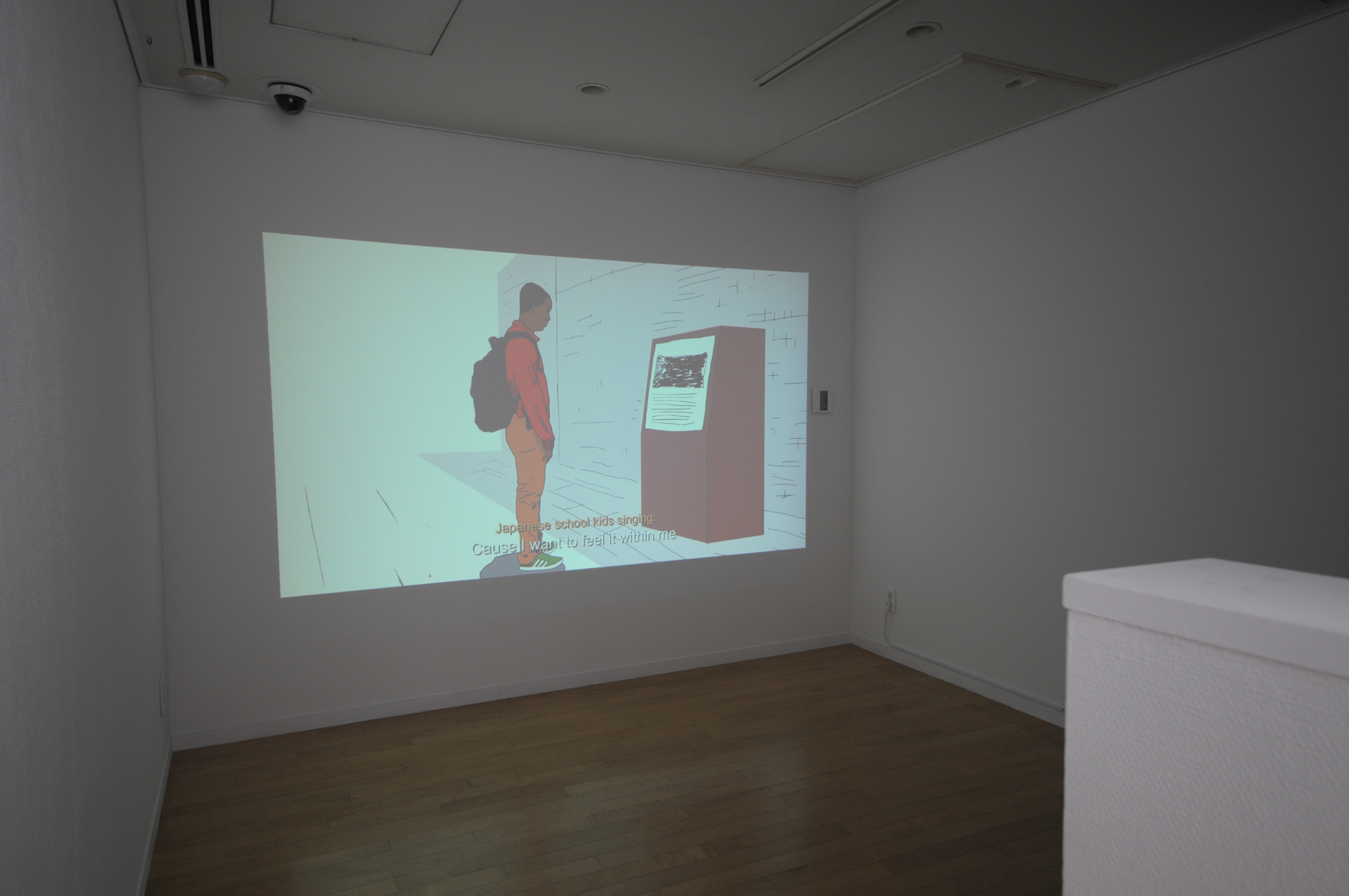
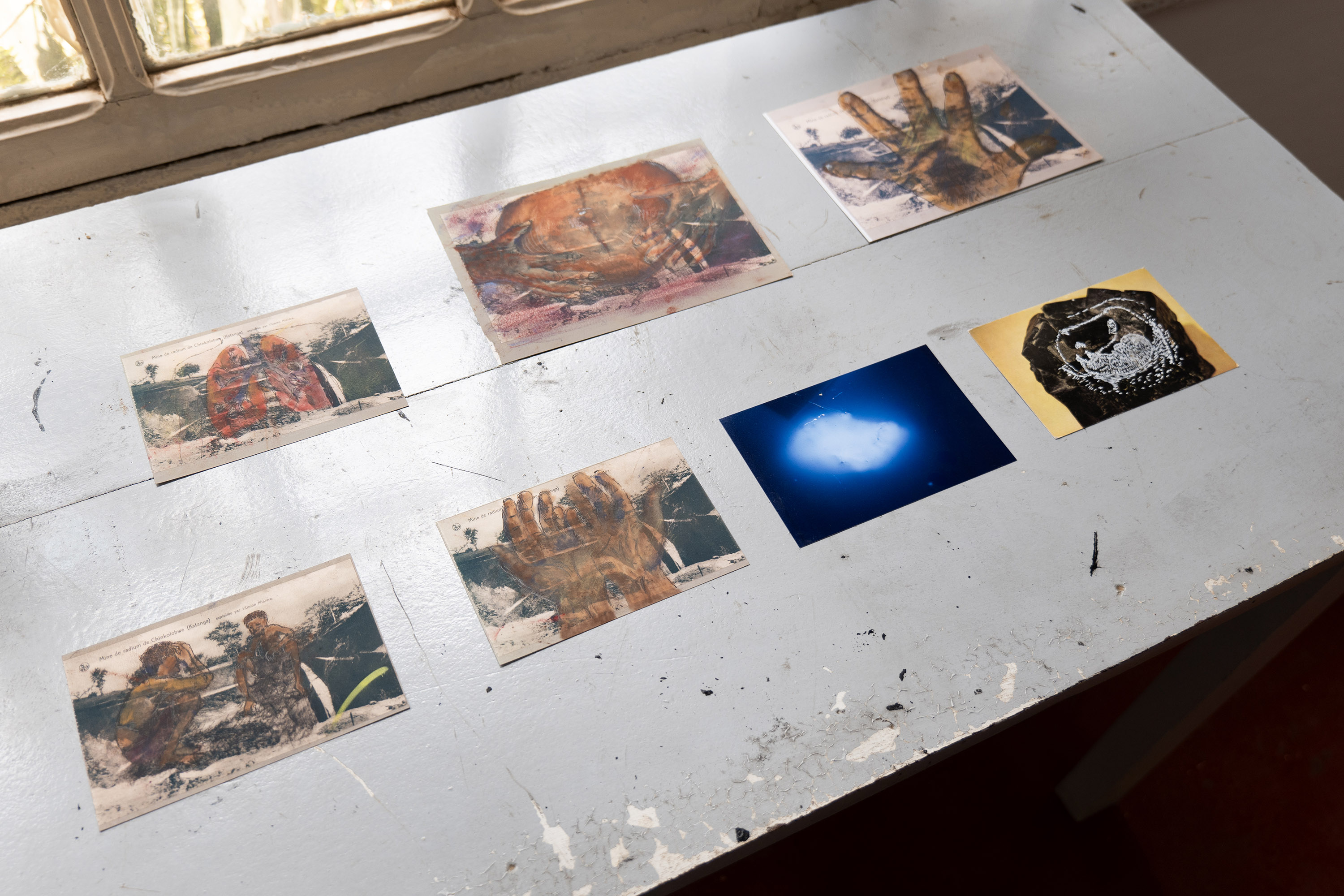
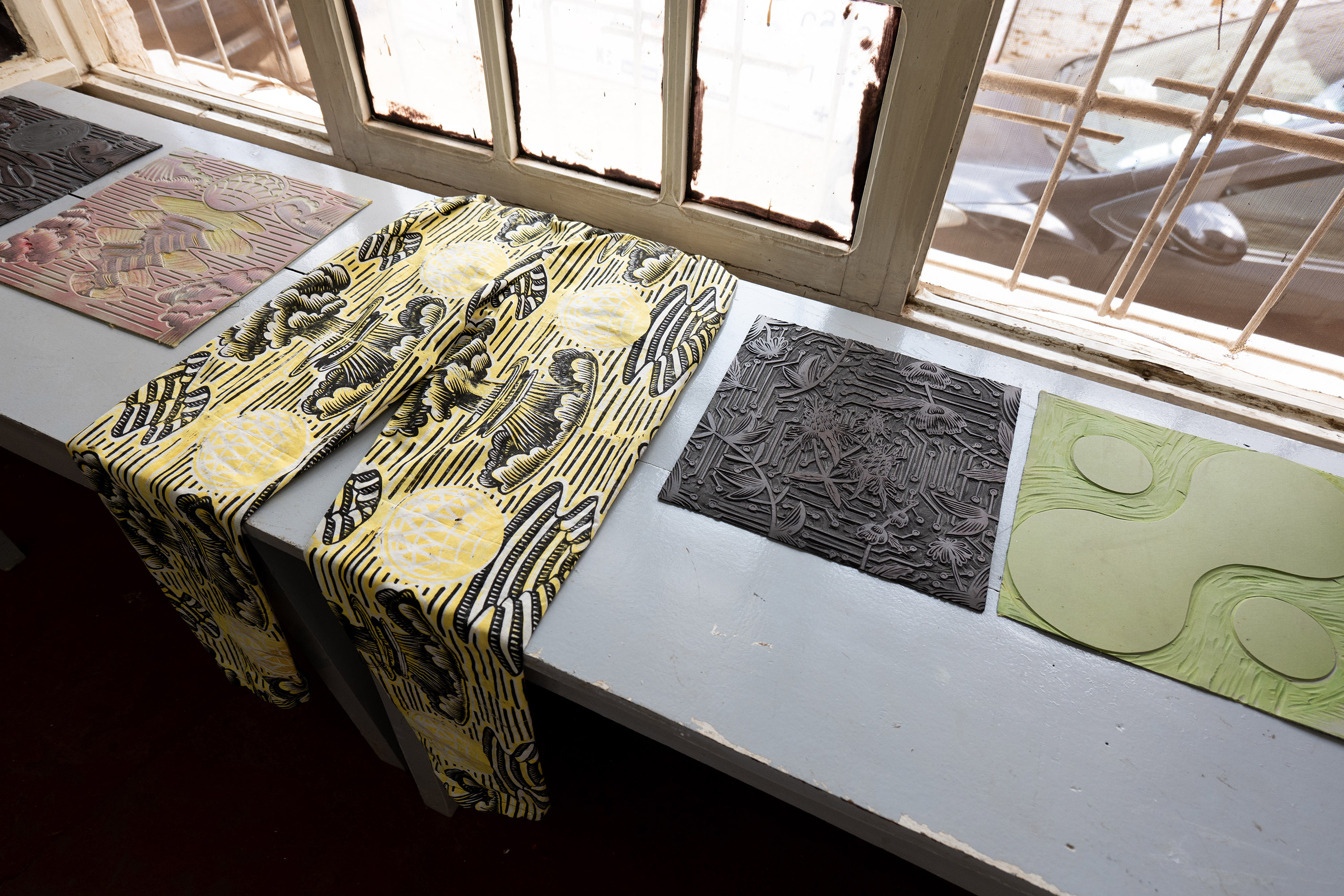
The works in the exhibition includes; Roger Peet’s blockprint map tracing the passage of Shinkolobwe ore through the industrial infrastructure of the Manhattan Project, Toshie Takeuchi’s hand-drawings on colonial postcards imagining the erased mine workers and illuminating the shared toxic consequences of Japanese and Congolese families exposed to the radiation of uranium ore in the military use and exploitation, and Sixte Kakinda’s 3 channels video installation documenting the litany of historical use of Shinkolobwe uranium in nuclear tests, as well as the consequences for individuals and society.
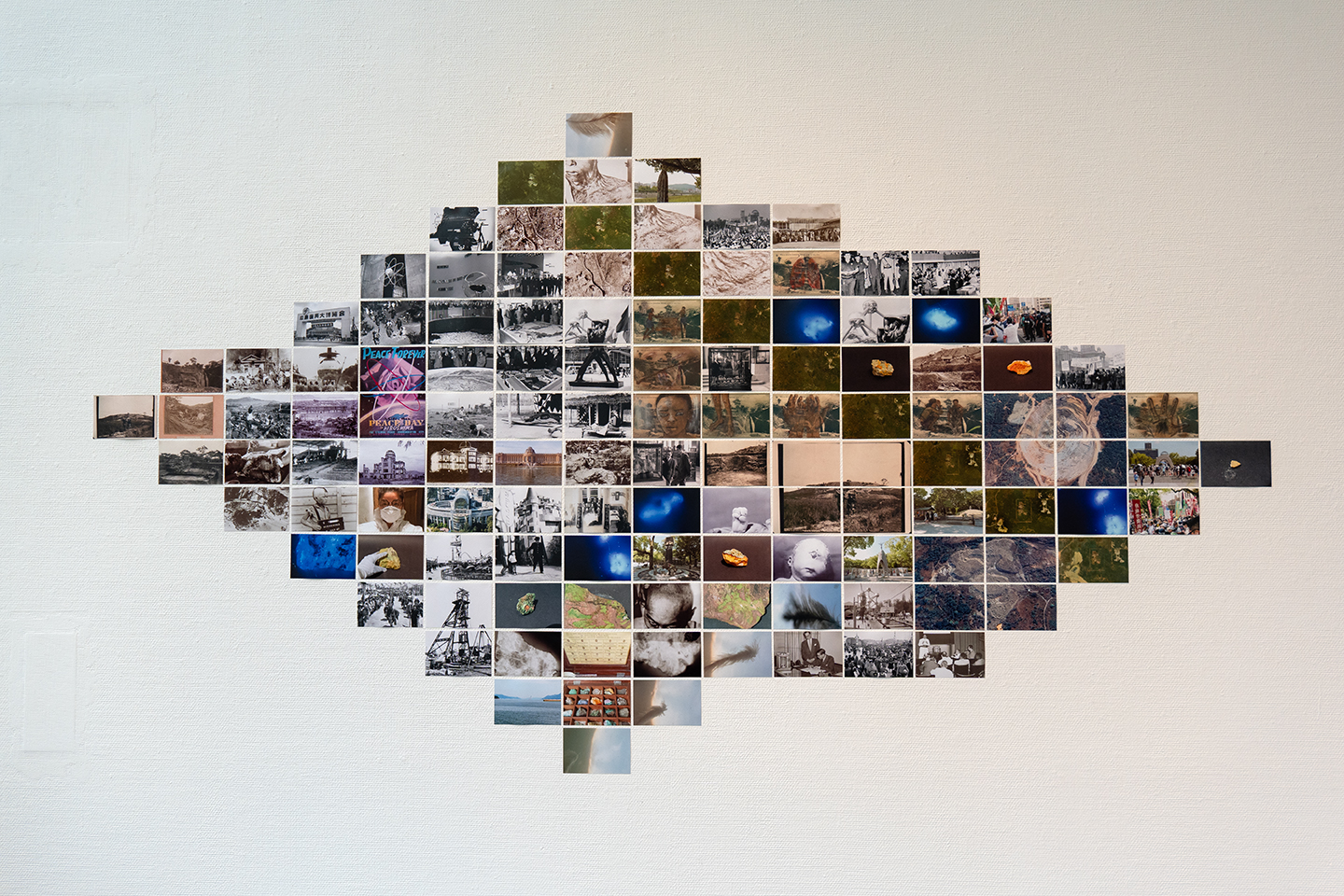
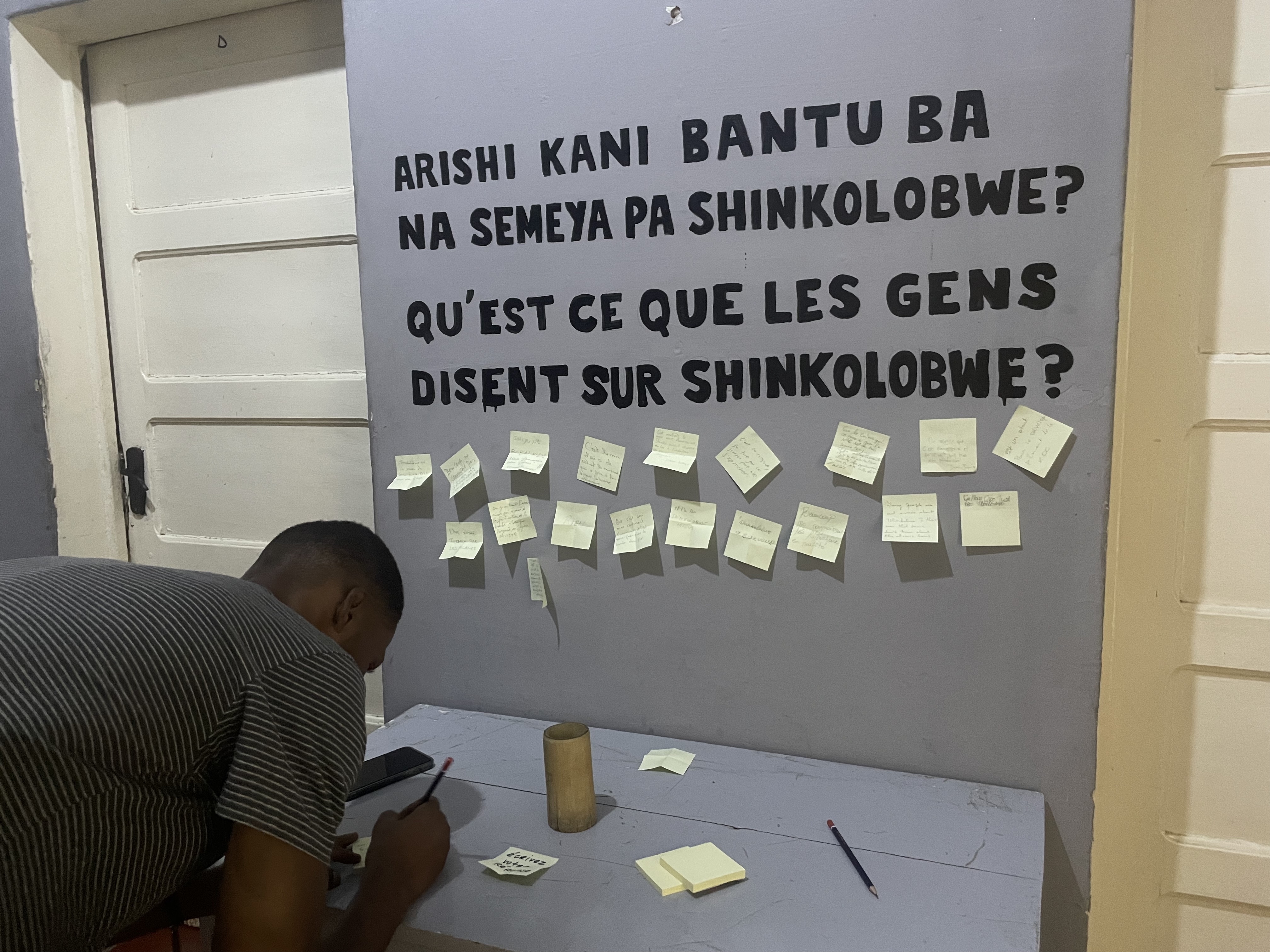
At the center of the project is the story of the mine and its consequences. During the first two weeks of the biennial the artists engaged with several versions of this story, in a process of public inquiry into the narratives that the residents of Lubumbashi tell about the mine. Sixte’s performance solicited an audience’s understanding of the history of the mine, traced on the surface of a public space in the powdered waste products of the smelter which founded the city at Gécamines site. Toshie’s photo installation traces the evolution of the mine site from its colonial dawn through its historical abandonment and into the contemporary era of cobalt extraction. It is juxtaposes with the post-war nuclear narratives, where the absence of the mine and human sufferings caused by radiation is apparent. Roger’s block-printing workshop invited young artists to participate in the creation of a fabric representing the past and present of the Shinkolobwe mine and the industry that has grown from it. These inquiries combined with a “question station” which invited Biennial audiences to write out their own versions of the history of the mine. These interlocking projects also address the historic erasure of Congolese mineworkers and their labor from the history of US imperial domination, and the ways these three countries are bound together in the history of destruction and exploitation that gave birth to the modern world.
Shinkolobwe: Between Power and Memory proposes the artistic methodologies for revealing the presence of the mine and its products in popular memory, counteracting imperial nuclear aesthetics with a popular aesthetic of global solidarity. (*I wrote about the history over the Shinkolobwe mine, from the period of colonial extraction of radium to the Manhattan project to the current situation of the mine. It can be read in my research page.)
- The project was featured in Belgium’s GLEAN art magazine for the 6th issue and later was exhibited in Center for the Applied Ecological Thinking, Copenhagen University, Denmark and Gallery G, Hiroshima from 29. July to 10. Aug 2025.
- For more detail descriptions about and images of each work, list of media appearances, etc, please inquire for an updated project portfolio. Contact me, or each artist.
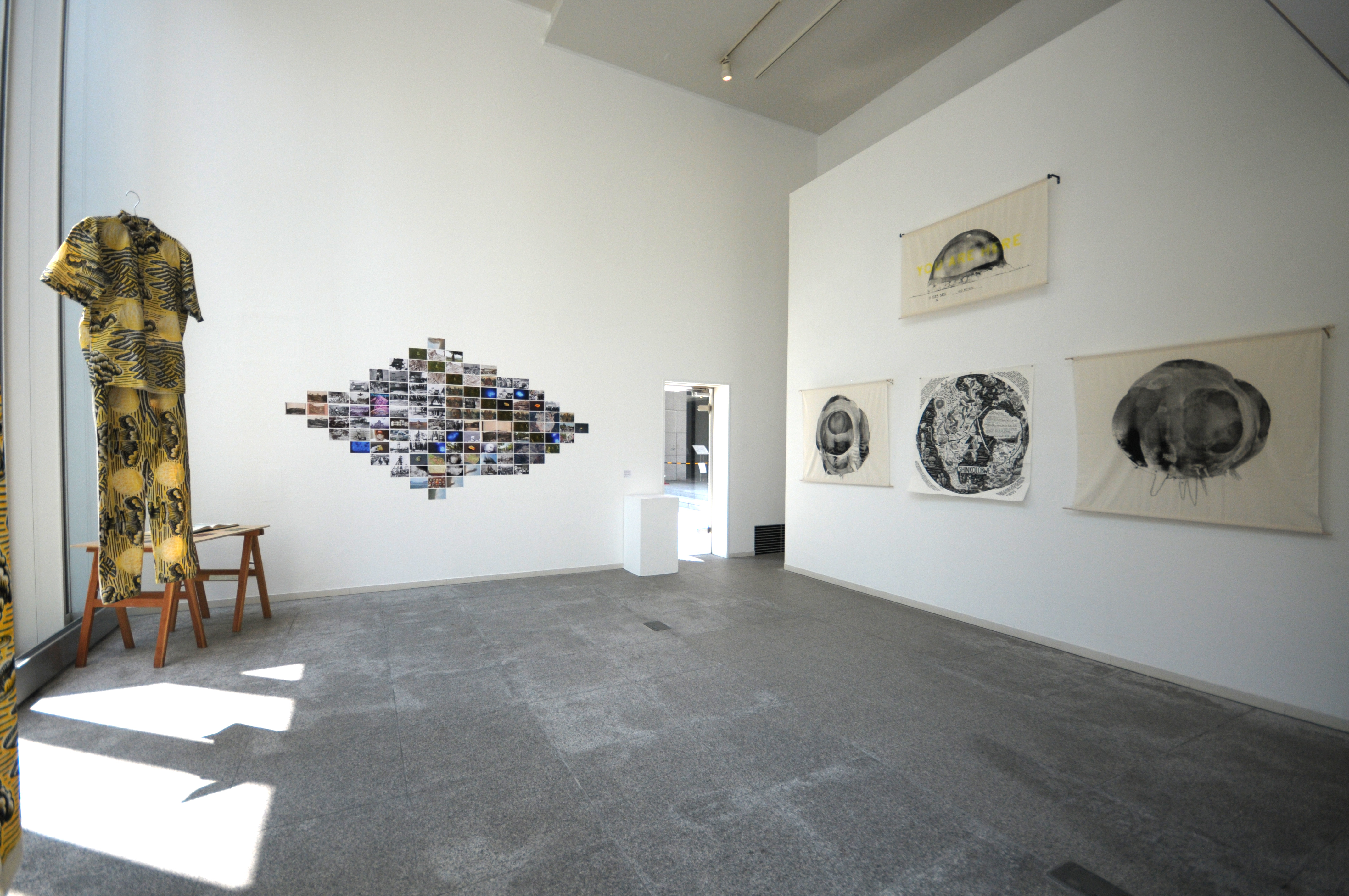

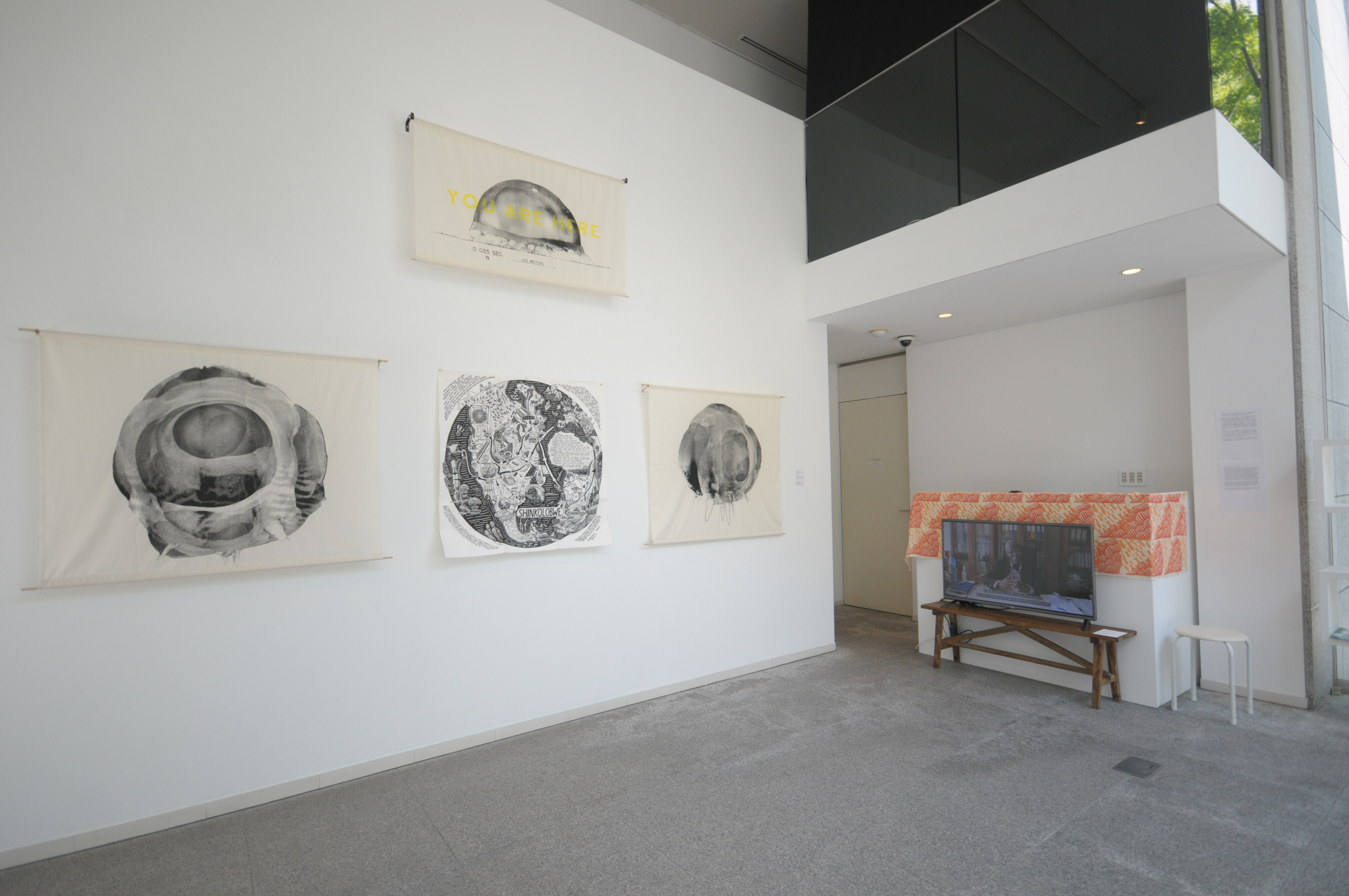
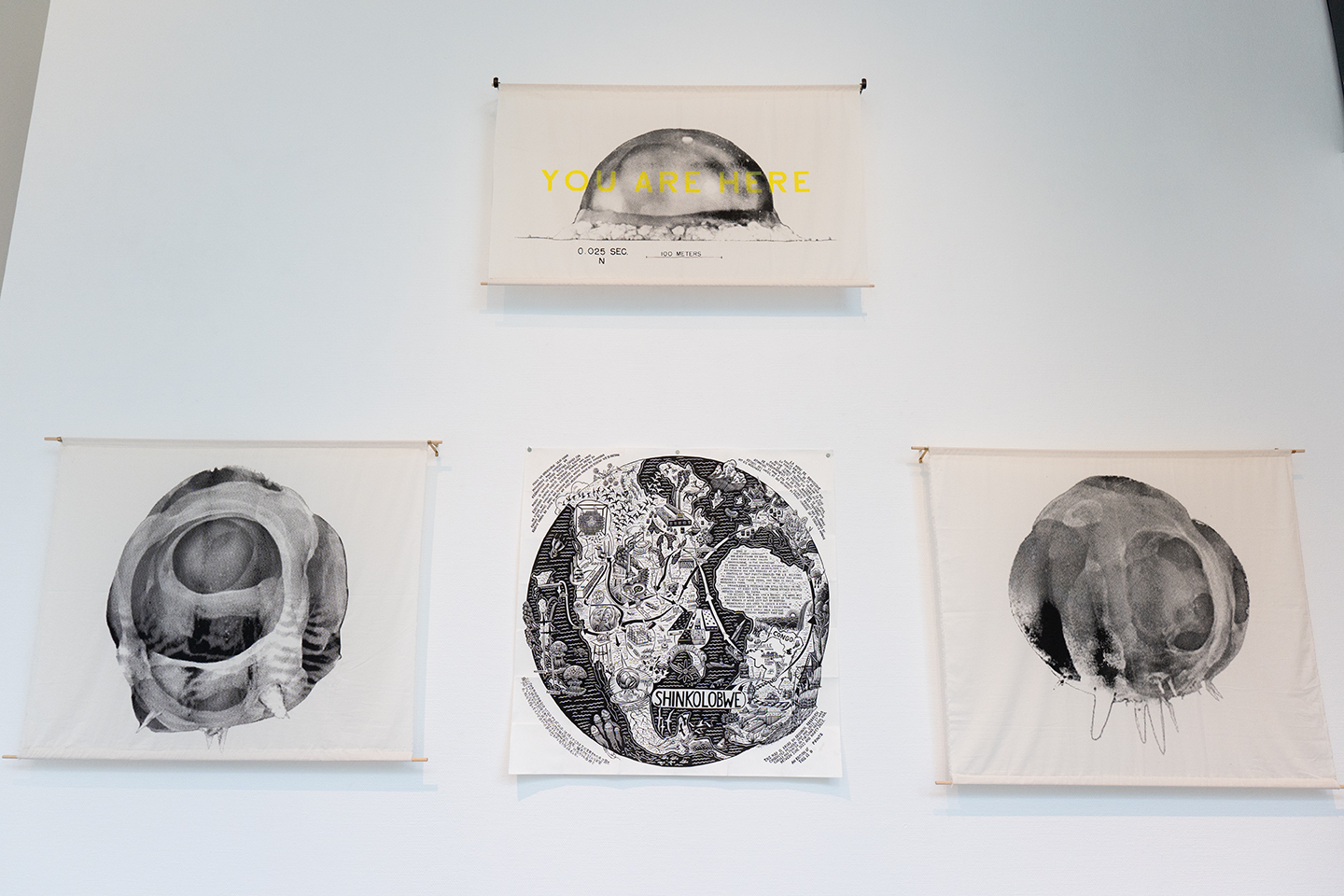


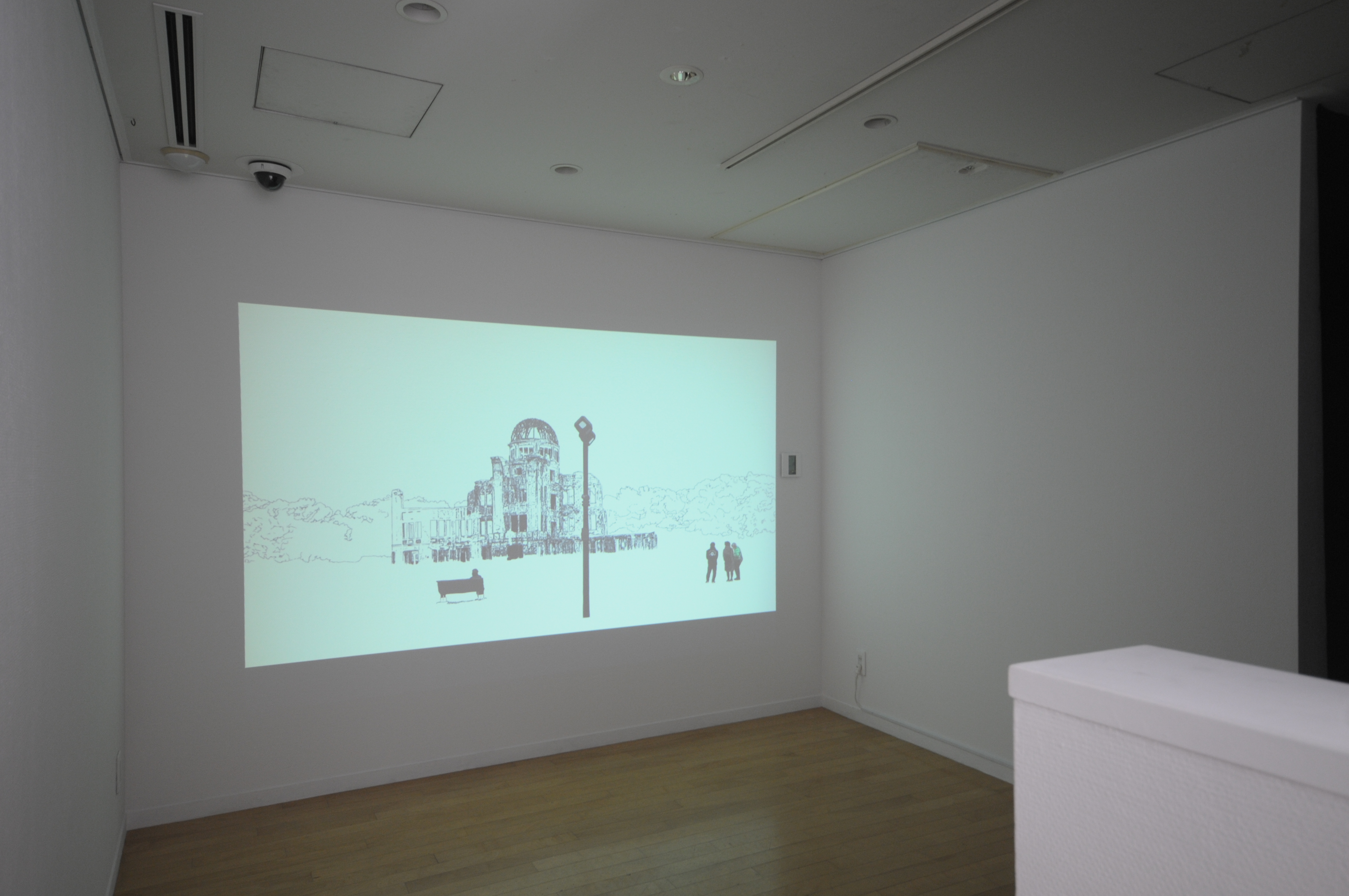

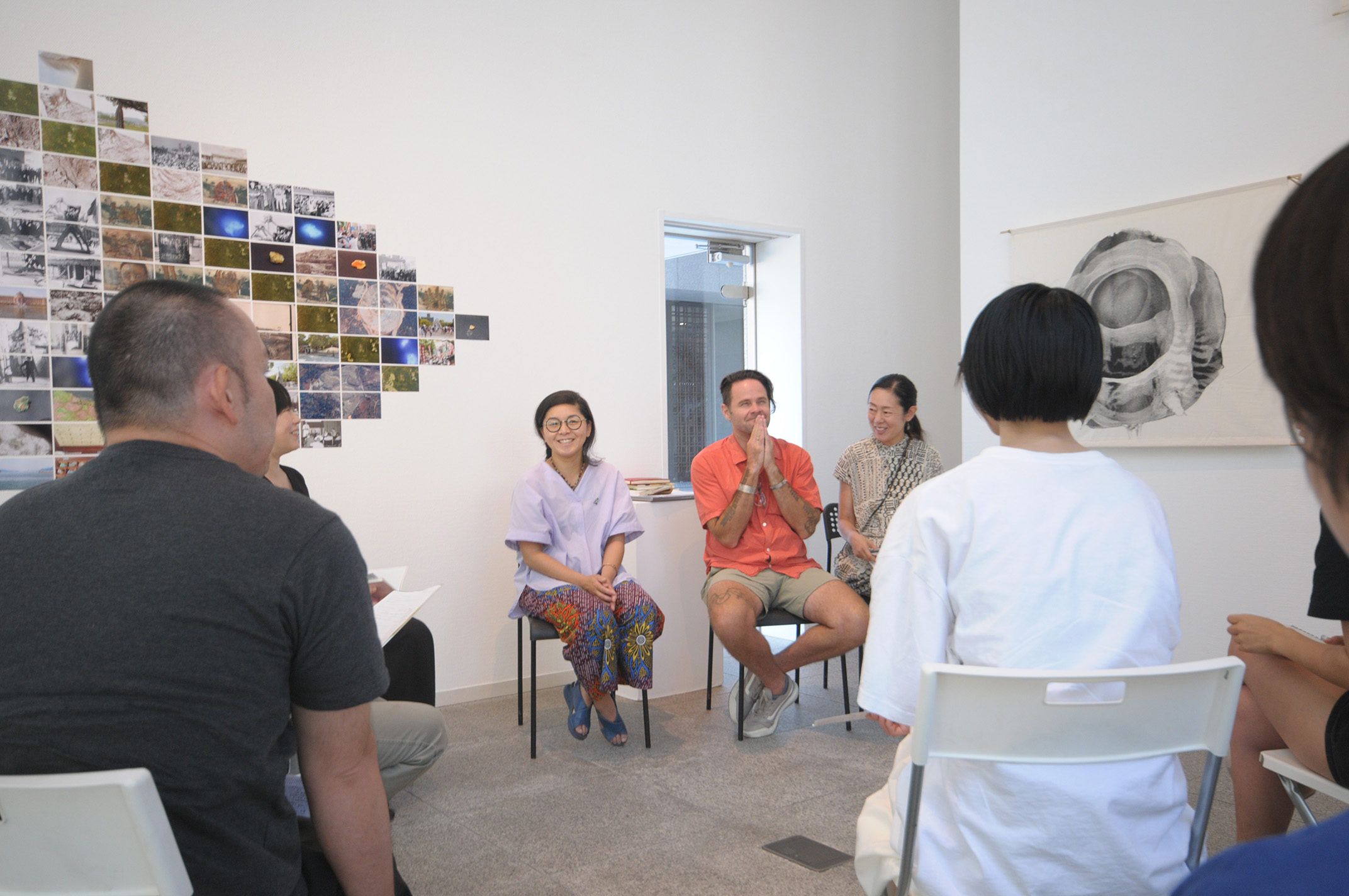
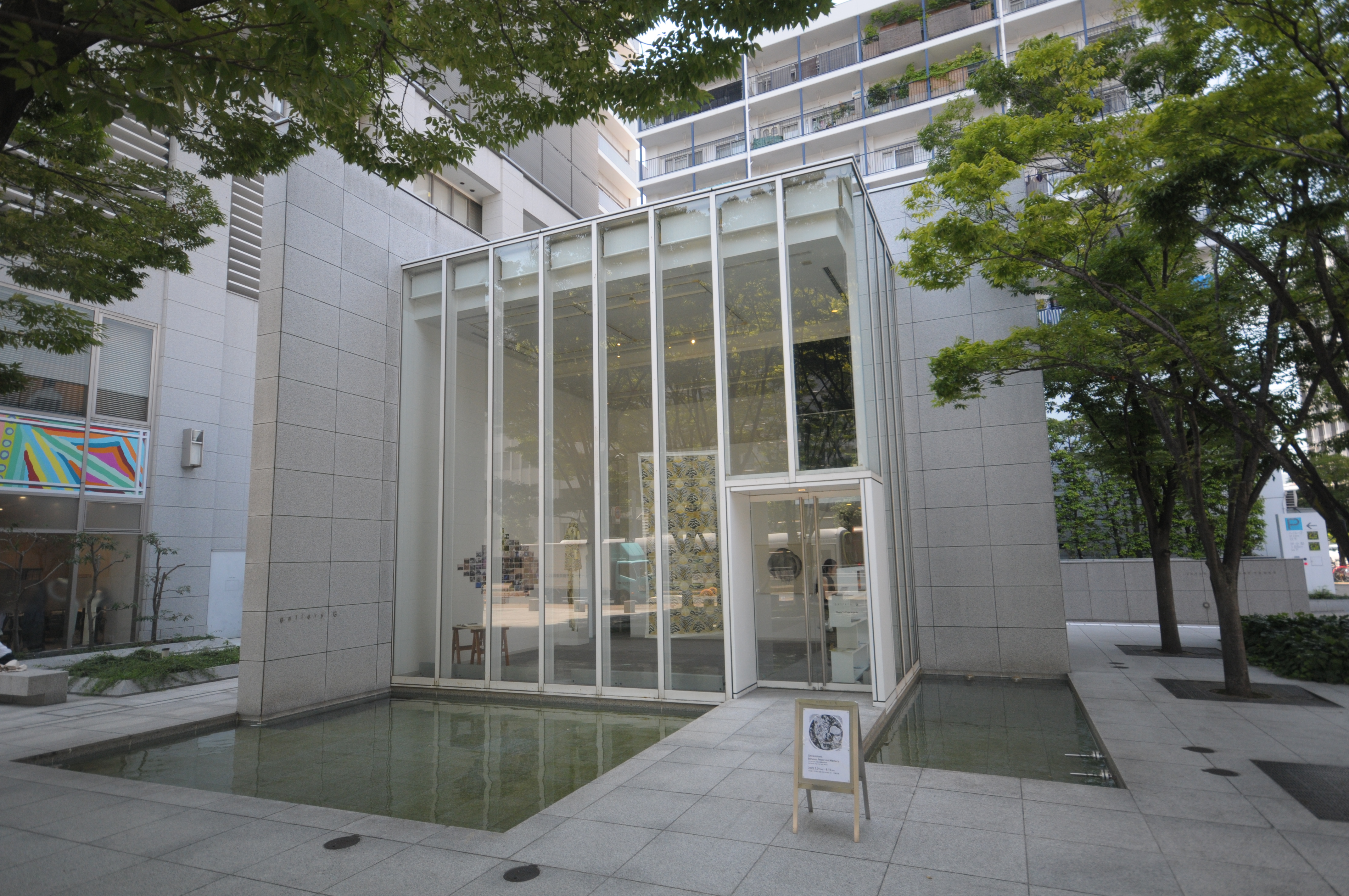
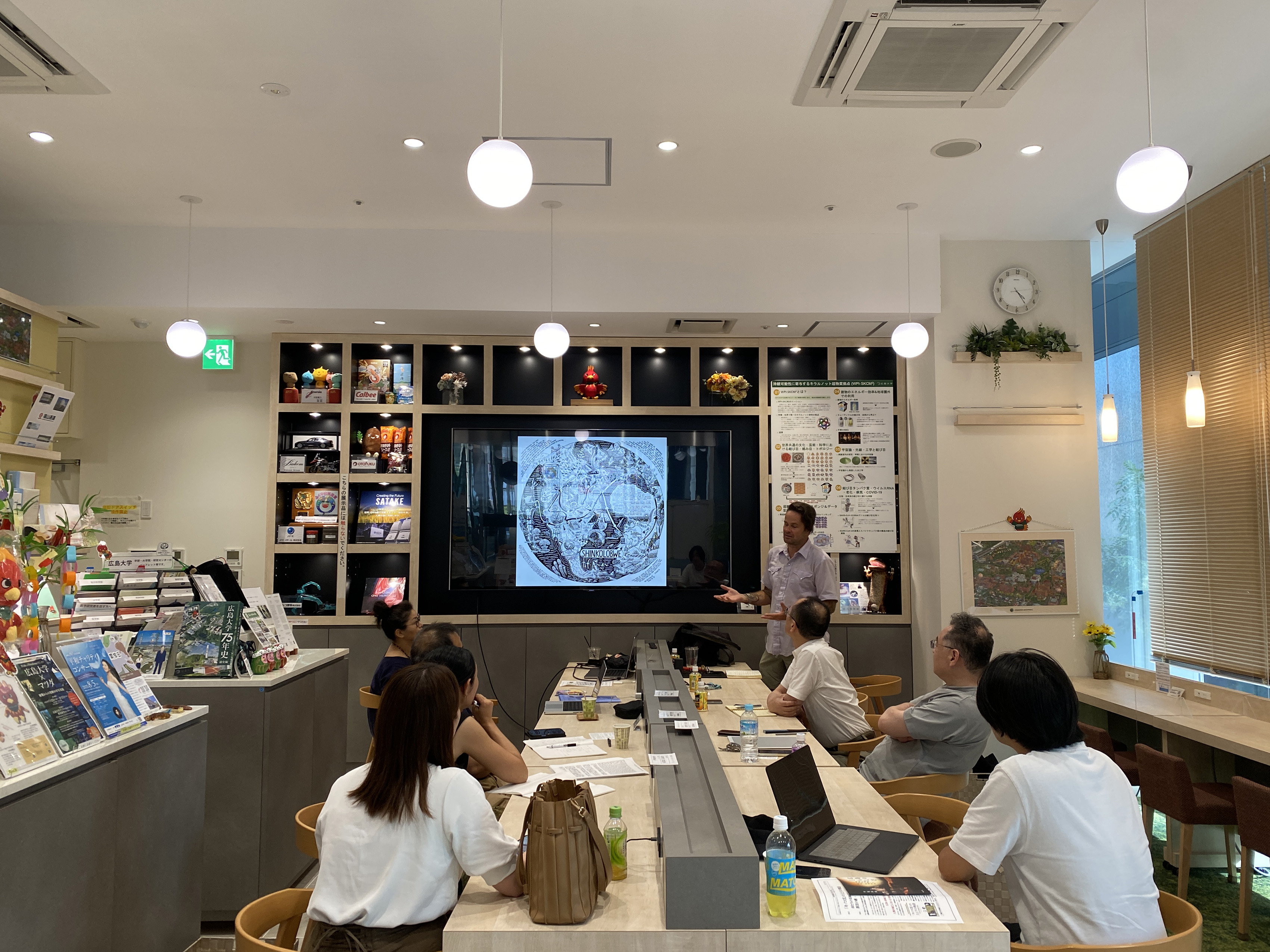
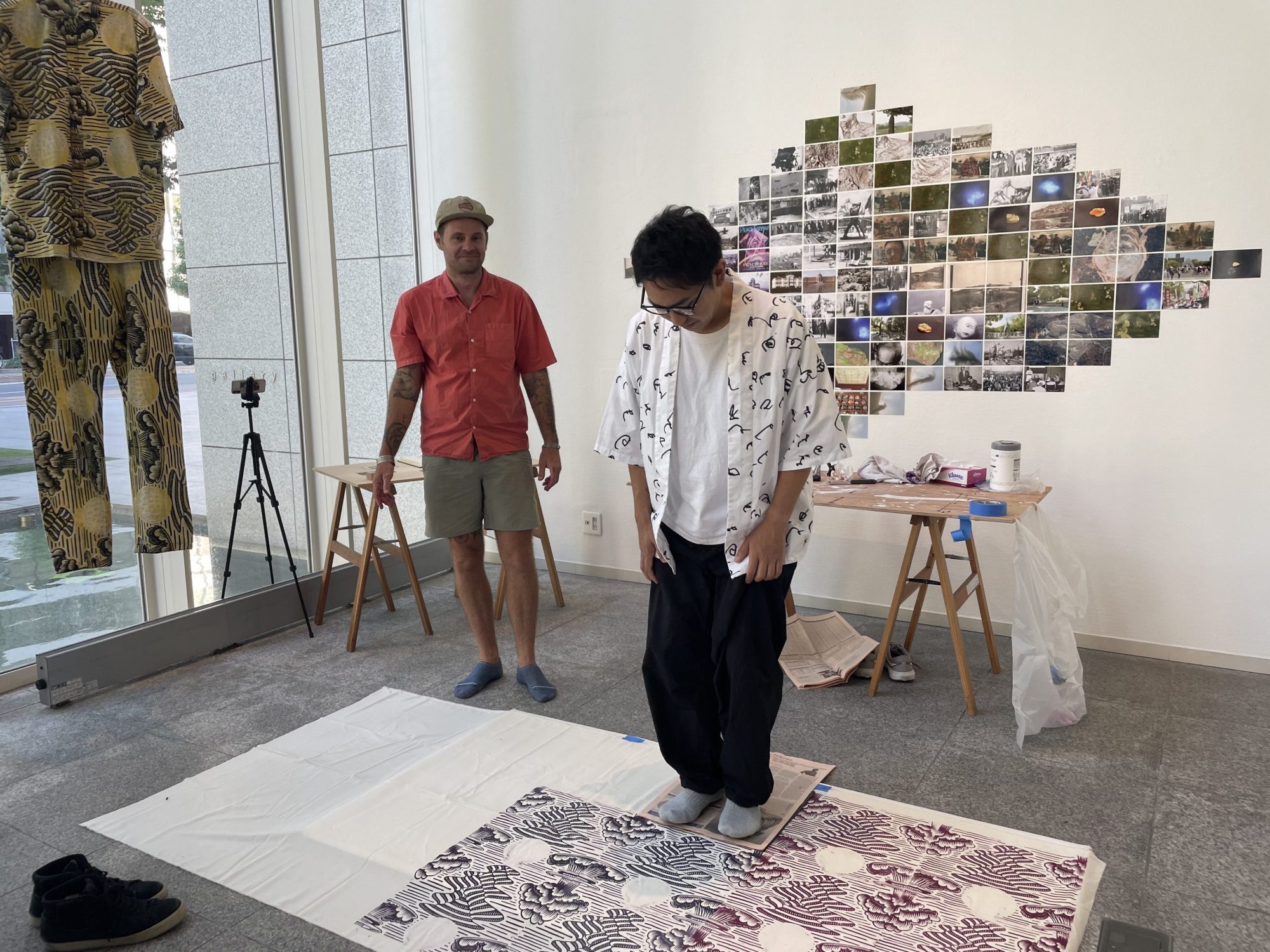
“SHINKOLOBWE: BETWEEN POWER AND MEMORY, Gallery G, 29 July to 10 Aug 2025, Seminar at Hiroshima University, Kiteminsai Lab, 30 August 2025
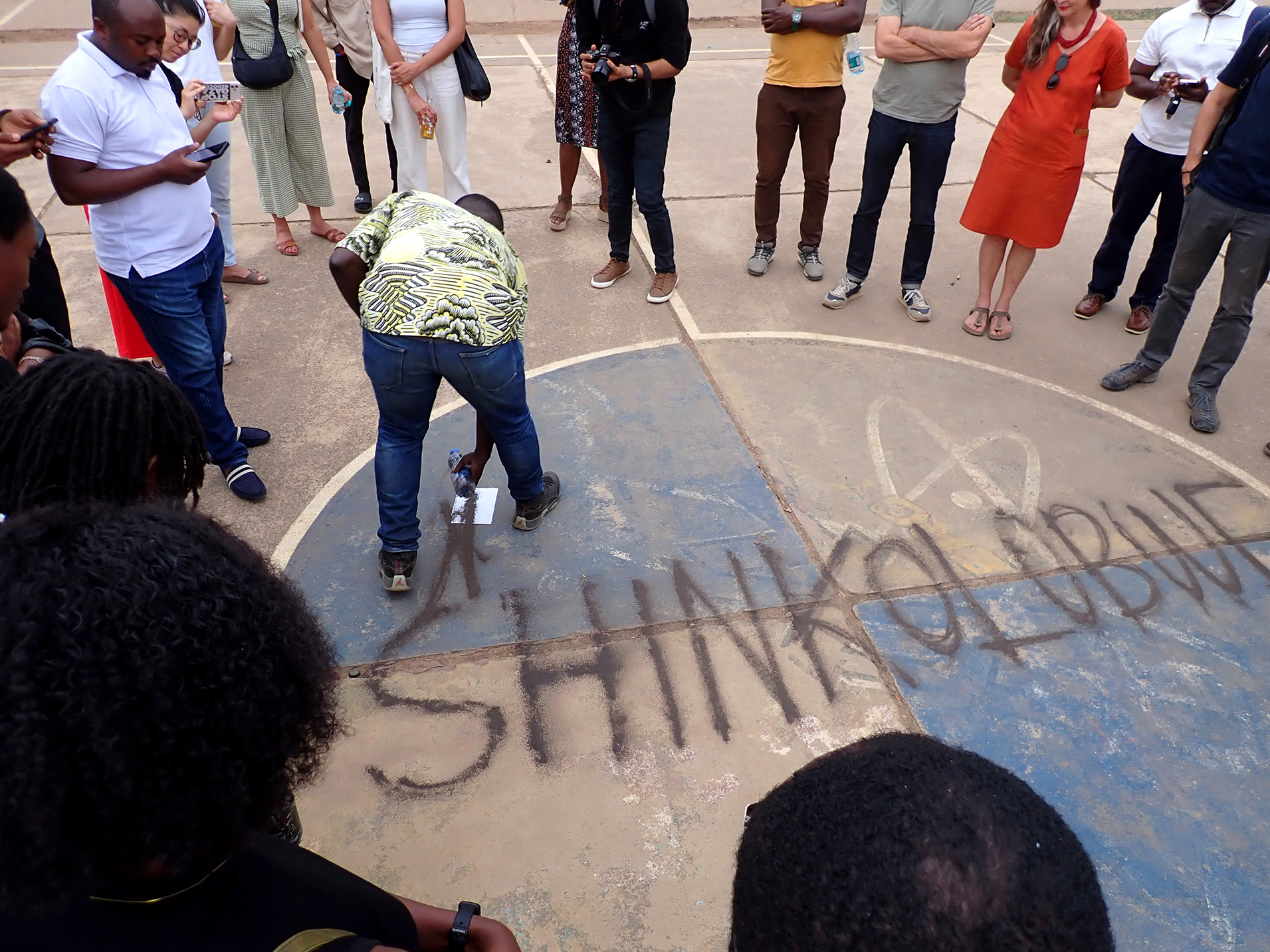
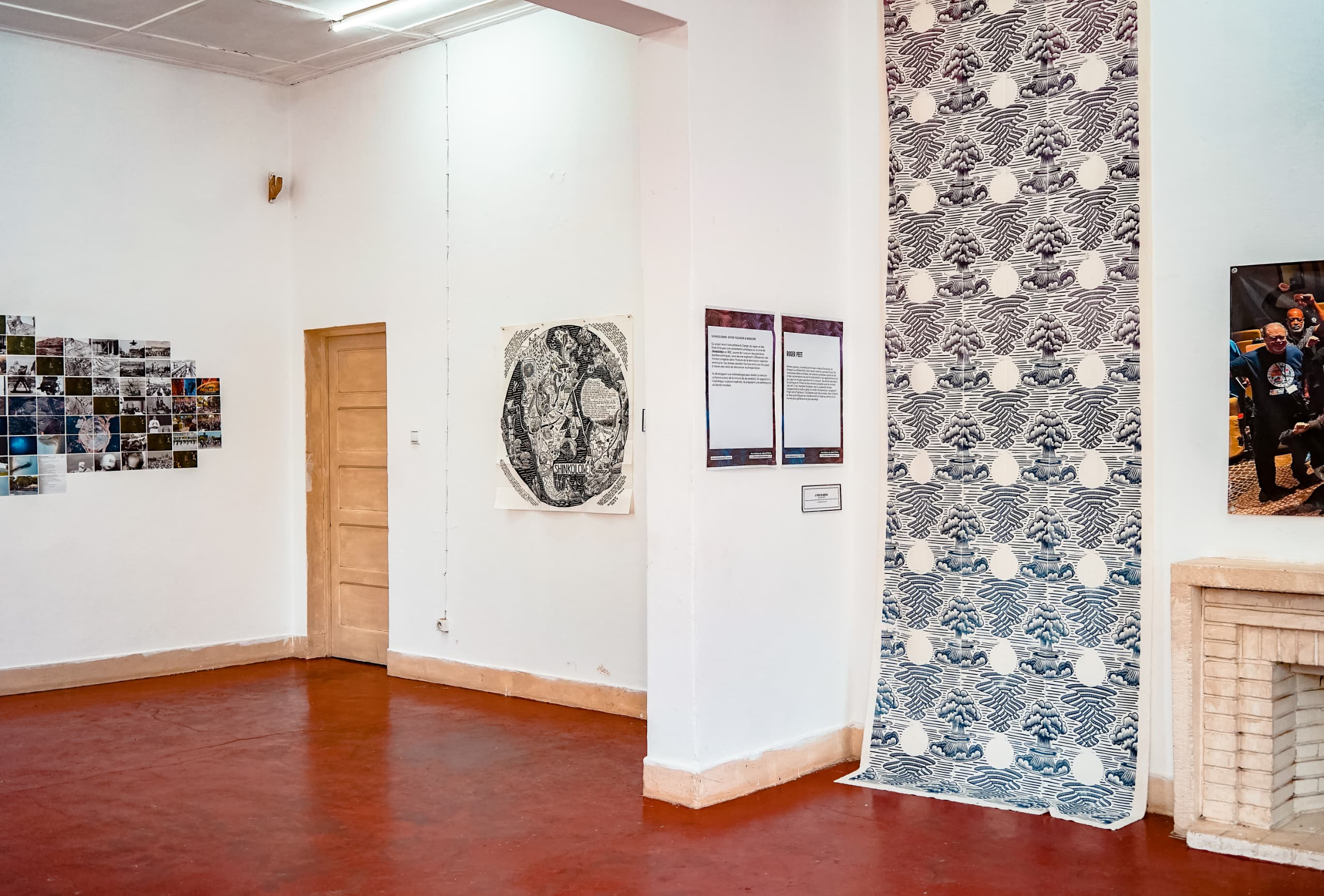
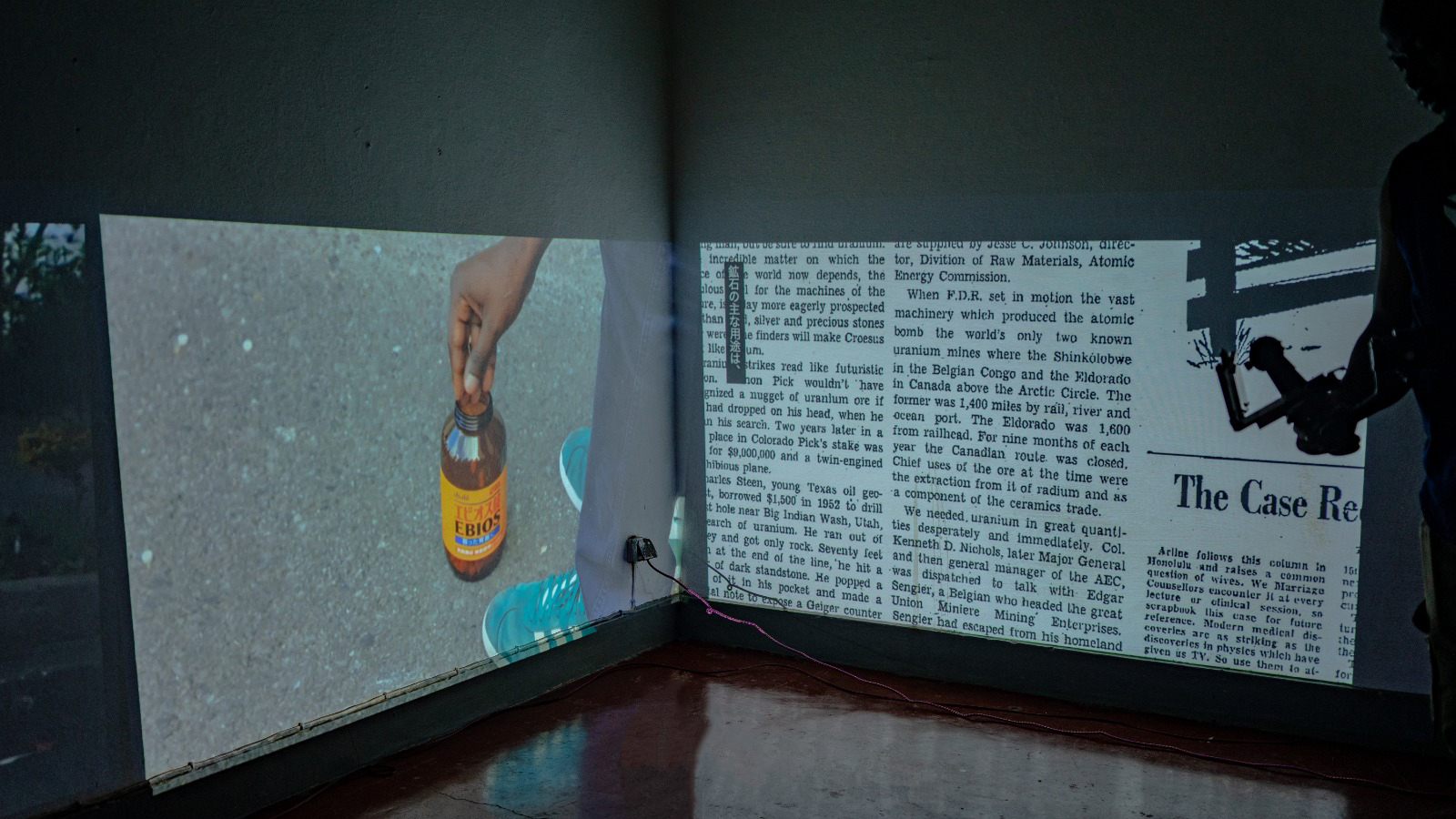


“SHINKOLOBWE: BETWEEN POWER AND MEMORY, Lubumbashi Biennale, Picha, 29 Oct to 29 Nov 2024
Artists Bio:
Sixte Kakinda began his artistic practice as a self-taught comic strip artist before earning a master’s degree and doctorate in Global Art Practice at Tokyo University of the Arts, where his work Intimate Moments/ Monologue received first prize. His practice, exhibited internationally, centers on the line—the essential element of drawing—and particularly the lines traced in the Congo River basin since pre-colonial times. By engaging with the line’s inherent qualities—connectivity, invisibility, memory, … —he both experiments with new artistic forms and sparks
dialogue on the Congo’s historical and cultural narratives. Sixte’s approach seeks to decolonize drawing, rethinking not only the drawing but the act of drawing itself. This perspective fosters deeper, more nuanced representations of the Congo’s identity and history. His concept of “Drawing as Crossing” embodies this vision, framing drawing as a way to traverse borders—geographical, historical, and conceptual—that continue to shape Congo’s past and present. Sixte lives between Goma (DR Congo) and Kampala (Uganda).
https://dsixte.wixsite.com/sixte-kakinda, https://www.instagram.com/x.d.lab
Roger Peet is an artist, printmaker, muralist and writer living in Portland, Oregon, USA. His visual work tends to focus on civilized misconceptions, predator-prey relationships and the contemporary crises of biodiversity and capitalism, and what can and can’t be done about them. His writing addresses the politics and history of social relations with the natural world. Roger is a founding member of Justseeds Artists’ Cooperative and helps run the Flight 64 cooperative print studio in Portland. He collaborates with artists, activists and scientists worldwide and locally in the service of a more generous, wilder world. https://www.instagram.com/toosphexy/, https://toosphexy.carrd.co/#
Toshi Moshi/Toshie Takeuchi is a visual artist, filmmaker and organiser of community art activities. She was born in Aichi, Japan and currently living and working in Copenhagen, Denmark.
Toshie Takeuch(竹内としえ)is a visual artist, filmmaker and organiser of community art activities. She was born in Aichi, Japan and currently living and working in Copenhagen, Denmark. Toshie’s art practice is based on archival research and fieldwork and is often created in collaboration with other artists, with researchers or with local communities, among other things, through workshops as a common creative generator. Toshie’s works are created with photography, film, drawing, performance, kite-building, with which I seek to heal and create hope through communal empowerment.
https://toshimoshi.com, https://www.instagram.com/toshimoshi.toshimoshi/
 Toshi Moshi/Toshie Takeuchi